
Internal auditing is a fundamental process for management system certification and continual improvement. Without effective internal audits, organizations may repeat the same mistakes over and over again, constantly putting out fires instead of eliminating the problems behind them.
This topic is especially important because many professionals still see internal audits simply as a way to “find mistakes.” In practice, however, internal auditing is one of the most valuable tools available to reduce risks, identify weaknesses, strengthen management systems, and improve organizational performance.
A well-conducted internal audit does more than identify areas for improvement. It can also help demonstrate the value and effectiveness of an organization’s products, services, and processes to interested parties.
When properly conducted, internal auditing becomes a powerful tool for correction, learning, and organizational development.
Effective Internal Audits Engage Employees and Strengthen Organizational Culture
It is a common misconception that audits disconnect employees from the management system.
This usually happens only when audits are poorly conducted and focused on assigning blame or punishing employees.
To realize the true value of internal audits, organizations must help employees understand that processes are the foundation of consistent performance.
During an audit, employees have an opportunity to clarify questions, reinforce established practices, and actively participate in evaluating how processes operate.
In practical terms, an internal audit creates an opportunity for employees to become directly involved in management system evaluation, improvement, and learning.
When audits are conducted ethically and transparently—without a punitive approach—they encourage open dialogue and reinforce the idea that identifying problems is part of improvement.
Instead of hiding process failures, employees become more likely to report them because correcting those problems benefits everyone involved.
Better Preparation for External and Certification Audits
External audits can be stressful for many organizations.
One of the main reasons is uncertainty about what auditors may find and what consequences could follow.
This is another area where internal auditing provides significant value.
Regular internal audits help employees become familiar with the audit process and understand that an audit is not a personal evaluation or disciplinary activity. Instead, it is a systematic process for evaluating conformity and identifying opportunities to strengthen the management system.
Internal audits can also identify many of the issues that might otherwise be detected during an external or certification audit.
If employees have already participated in audit interviews and processes have already been reviewed and improved, the organization will generally be better prepared when external auditors arrive.
The result is a more organized and predictable certification audit experience for everyone involved.
Faster, More Efficient, and Better Organized Processes
One of the greatest benefits of internal auditing comes from the accumulation of improvements over time.
Each audit can contribute something to the way a process is managed and performed.
Even processes that are initially slow, expensive, or poorly organized can improve significantly through effective and regular internal audits.
By examining how activities are actually performed, internal auditors can identify:
- Process bottlenecks
- Rework
- Resource waste
- Unnecessary activities
- Inefficient workflows
- Opportunities for process optimization
Organizations can then use these findings to improve workflow and address underlying inefficiencies.
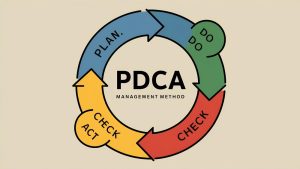
Each internal audit can initiate a new improvement cycle. Over time, these cycles contribute to more organized, consistent, and predictable processes.
They can also help reduce lead times, improve productivity, minimize waste, and increase overall operational efficiency.
Supporting Evidence-Based Strategic Decisions
Decision-making is a constant challenge for organizations.
Where should we invest? Which problems should we address first? Which risks require immediate attention? Which actions are producing the best results? Are our improvement initiatives actually working?
Effective internal audits provide valuable information to support these decisions.
Auditors evaluate objective evidence, including:
- Records
- Documented information
- Performance indicators
- Interviews
- Procedures
- Process observations
- Work instructions
As a result, internal audits provide an impartial assessment of management system performance.
This helps leaders make decisions based on evidence rather than assumptions or individual perceptions.
Internal audits can also reveal trends, strengths, risks, and opportunities for improvement. These insights help organizations understand which actions should be prioritized and which approaches may need to be reconsidered.
The result is more informed and effective decision-making.
Greater Conformity with Laws, Standards, and Other Requirements
Maintaining conformity with laws, standards, regulations, contractual obligations, and other applicable requirements can be challenging for organizations in any industry.
Regulations change, technical standards are revised, and customer expectations continue to evolve.
Organizations therefore need mechanisms to continuously evaluate whether applicable requirements are being effectively implemented.
Internal auditing plays an important role in this process.
During an audit, documented information, records, procedures, and operational activities can be evaluated to identify deviations, implementation failures, and areas requiring improvement.
This allows organizations to identify potential issues before they result in regulatory penalties, customer complaints, external audit nonconformities, or other negative consequences.
Internal audits therefore do more than identify problems. They help organizations maintain alignment with applicable requirements while supporting more consistent, controlled, and sustainable management practices.
The Importance of Internal Audits for Sustainable Growth
Many professionals associate internal audits primarily with conformity assessments and management system certification.
While these are important functions, this perspective significantly underestimates their value.
Internal auditing is fundamentally a continual improvement tool.
It helps organizations learn, evolve, and consistently improve the way they operate.
Internal audits also influence organizational culture by shaping how employees understand processes, standards, responsibilities, risks, and improvement.
In this sense, an internal audit provides organizations with a structured way to look at themselves—to understand how work is actually being performed and how it can be improved.
Investing in a structured internal audit process therefore means much more than maintaining conformity.
It helps create the foundation for sustainable growth based on strategic decision-making, efficient processes, effective risk management, organizational learning, and a continual pursuit of excellence.
That is what transforms internal auditing from an administrative requirement into one of the fundamental pillars of long-term organizational success.